
Here are 5 potential health benefits of smoking weed (Cannabis):
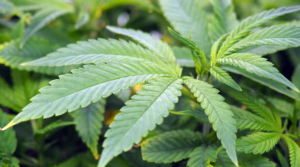
1.- *Pain relief*: Cannabis has been shown to help manage chronic pain, inflammation, and discomfort 2.- *Anxiety and stress reduction*: Some people find that cannabis helps calm their mind and body.
3.- *Sleep aid*: Cannabis may help with falling asleep and improving sleep quality.
4.- *Appetite stimulation*: Cannabis is known to increase appetite, which can be helpful for those with certain medical conditions.
5.- *Neuroprotection*: Some research suggests cannabis may have neuroprotective properties, potentially helping with conditions like epilepsy or multiple sclerosis.
Cannabis was first domesticated in East Asia, where it grows naturally. For about 4,000 years, humans have used its fibres to make hemp rope and clothing, and the plant’s oily seeds for food. Cannabis seeds have even been found with Japanese pottery shards dated to about 10,000 years ago. It was traded along the Silk Road and spread across continents. But until recently, we weren’t sure just how long we’ve been using marijuana for medicinal or therapeutic purposes.
In a 2019 study, researchers discovered chemical residues from the burning of cannabis plants during burial ceremonies at Jirzankal Cemetery in the Pamirs region of western China — 2,500 years ago. Cannabis stems and seeds have been found at various burial sites in Asia and Europe, but according to one theory, these ancient humans might have been smoking marijuana to communicate with those in the afterlife.
across the country have legalized medical marijuana, and approximately 25% – 40% of cancer patients report marijuana usage to relieve or improve their symptoms. What does the research say, and what’s in store for medical marijuana for CRC patients moving forward?
What Is Marijuana?
Marijuana has gone by many names over the years, including weed, pot, bud, ganja, and Mary Jane, to name a few. It comes from the dried flowers of the Cannabis sativa plant and has been used for its therapeutic effects since around 2800 BC.
Marijuana contains more than 100 chemical compounds known as cannabinoids. Cannabinoids interact with our body’s endocannabinoid system (ECS), which controls the learning and memory centers, emotional processing, sleep, temperature control, pain, inflammation, immune response, and appetite. Essentially, the ECS regulates the body’s most crucial functions.
Of these 100+ cannabinoids contained within the marijuana plant, the most commonly known are tetrahydrocannabinol (THC) and cannabinol (CBD). THC is responsible for the psychoactive effects of marijuana – what many term the “high.” Both THC and CBD have been studied for their various therapeutic effects.
It is possible to consume CBD – also known as hemp – as a single compound. CBD has been removed from the federally Controlled Substances Act, and 47 states now allow the sale of hemp-derived CBD products at THC levels of .3% or less. However, this article specifically focuses on the effects of marijuana (which includes THC and CBD) usage among cancer patients, as opposed to CBD usage alone.
How Is Marijuana Consumed?
There are many different ways to consume marijuana, including:
- Smoking: The dried herbs can be inhaled through a pipe, vape, bong, or otherwise rolled into a cigar-like form.
- Edibles: Marijuana can be made into different types of food, snacks, gummies, and beverages.
- Alternative oral methods: Oils, tinctures, capsules and sprays are made for the purpose of oral ingestion.
- Topicals: Oils and extracts are absorbed through the skin.
- Rectally: While not a common method, it can be helpful for patients with extreme difficulty swallowing or nausea that impacts alternative consumption methods.
- FDA-approved medications: Three synthetic medications have been approved, including Marinol, Syndros, and Cesamet.
While it is recommended to consult your healthcare provider about your marijuana usage, complications may arise for cancer patients seeking medical advice. A national survey completed in 2021 found that a mere 13% of doctors feel adequately informed to provide cannabis-related recommendations. This is largely due to a lack of training and a need for more clinical studies.
When Is Marijuana Considered Medical, & What Are the Side Effects?
Marijuana is considered medical when it is used to treat or relieve a severe and persisting health condition and prescribed by a licensed doctor in states where it is legal. Each state has its own qualifications, so it is important to check the laws and regulations before pursuing this therapy.
Just like any healthcare option, marijuana is not free from side effects. The most common ones include:
- Drowsiness
- Paranoia and anxiety
- Changes in heart rate
- Decreased blood pressure
- Altered state of consciousness
- Damage to the lungs, if smoked
It is best to start with low amounts of THC and go slow when determining if medical marijuana is right for you. Additionally, you should notify your healthcare provider, as it could have an impact on your overall treatment plan or interfere with certain medications.
Marijuana Use and Cancer Symptoms Relief
Despite the risk of side effects, many cancer patients are turning to medical marijuana for symptom relief. Cancer medication, radiation, and chemotherapy are known to cause nausea, neuropathy, vomiting, and pain. Medical marijuana has proven to be an effective tool in addressing many of these complications.
In 2017, the National Academies of Sciences published an evidence-based book, The Health Effects of Cannabis and Cannabinoids. This peer-reviewed body of literature asserts “there is conclusive evidence that oral cannabinoids are effective … in the treatment of chemotherapy-induced nausea and vomiting.”
In addition, the National Cancer Institute, American Cancer Society, and CDC have all noted several studies that show cannabis to be effective at treating nausea and vomiting, pain, neuropathy, anxiety, and sleep.
Anecdotal evidence is also on the rise. In 2018, a study was released that followed 2,970 cancer patients treated with medical marijuana between the years 2015 and 2017. An astounding 95.9% of participants completing the study reported an improvement in their condition with the use of medical marijuana.
Barriers to Medical Marijuana Research
Despite legalization in 37 states and compelling evidence that supports the positive effects of medical marijuana, many barriers still exist. The National Academy of Sciences, National Cancer Institute, American Cancer Society, and CDC all agree that more studies need to be completed to better understand the effects of marijuana as a cancer therapy.
The main challenges researchers face today include:
- Regulatory barriers: The U.S. federal government still considers marijuana a schedule 1 substance. Restrictive governmental policies create red tape for investigators seeking to conduct research on cannabinoids.
- Cannabis supply and funding: Cannabis for research purposes can only be sourced through the NIDA Drug Supply Program. Additionally, funding for cannabis-related research must come from NIDA, as well. As the mission of the NIDA is to “advance science on the causes and consequences of drug use,” there is a conflict of interest in how resources are allocated.
- Environmental factors: Drug delivery challenges, environmental exposures, and history of research subjects all play important roles in obtaining accurate information. Investigators face challenges in finding ways to accurately represent evidence that is conclusive against multiple environmental factors.
To overcome these barriers, it is important to continue having conversations about how and why it is necessary to support medical marijuana research, especially in oncology patients. Organizations must work together to end the stigma and put pressure on restrictive federal policies that make research increasingly difficult.
Colorectal Cancer Patients Speak Up About Medical Marijuana
Despite the need for more research, cancer patients are still using this therapy with reported improved outcomes.
“As a patient and now a NED survivor, I researched and discovered real help with small bites of THC edible gummies to deal with side effects like nausea after treatment, peripheral neuropathy pain, and general anxiety. It also helped me with deeper, more healing sleep,” said Howard, a stage IV colon cancer survivor. “Still, it’s important to consult your oncology team and do your research. Not all marijuana and THC is created equal.”
Others share similar experiences.
“I tried THC candy and liquid drops during chemo and radiation to help with my pain and nausea. It wasn’t high doses, but enough to make a difference,” said Sonia, a stage III-C rectal cancer survivor. “It helped control my pain and nausea, increased my appetite, and helped me get some much-needed sleep and rest. I would choose THC over pain medications any day.”
“The pain that cancer causes patients can be unbearable. First, I was trying a combination of various opioids to control my pain with little luck. THC seemed like a better option,” said Michelle, a stage IV colon and rectal cancer survivor. “I chose to try edibles and tinctures. They helped alleviate my pain, nausea, and reduced some of my inflammation. I did notify my team of my pain management decision. Listen to your body and do what’s best for you. THC worked wonders for me and I would choose it again.”
The stigma associated with marijuana usage – even for medical purposes – can play a huge role in people’s willingness to speak up. Sometimes, patients prefer to remain entirely anonymous.
“THC has helped me in so many ways since my cancer diagnosis. I used it to keep nausea at bay and increase my appetite during chemo. After my surgery, I used it for pain relief and it helped me more than the narcotics they prescribed. As a survivor, I now use it for abdominal pain that begins after eating and to assist in falling asleep at night. I am so grateful to live in a state where it is at least legal for medicinal use,” one patient said.
What’s in Store for the Future of Medical Marijuana Usage in CRC?
The Colorectal Cancer Alliance seeks to end this disease in our lifetime and recognizes the need for unique solutions to complex problems.
“We always stand by the research. While there is not yet enough evidence to directly recommend medical marijuana as a treatment option for colorectal cancer patients, we support the need for further research on this topic as we work to support patients with their quality of life,” said David Fenstermacher, the Alliance’s Senior Director of Research & Medical Affairs.
The Alliance looks forward to the promise that new marijuana research brings for colorectal cancer patients. In the meantime, it’s important that we continue to work on destigmatizing the use of medical marijuana and provide support to patients that use it.
Cannabis has a lot of different uses
Pot and hemp — one can get you high, but the other has more uses.
In 2011, researchers at the University of Saskatchewan sequenced the genome of Cannabis sativa. They discovered that over thousands of years, humans selectively bred the plant into two strains: one for fibres and seeds, and one for medicine.
“The … analysis showed that the [synthase gene of THC’s precursor, THCA], an essential enzyme in THCA production, is turned on in marijuana, but switched off in hemp,” said Jon Page, a lead author of the study.
Hemp has been widely used for millennia. Besides rope and clothing, it’s been used for everything from art canvases to sails to paper. In fact, one study suggests Easter Island’s massive statues might have been “walked” into place using hemp ropes (and a lot of elbow grease).
More recently, hempcrete — a durable, lightweight composite reinforced with hemp — has been used in construction and can replace materials like drywall, insulation and siding.
‘Stoned’ might not mean impaired
There’s a stereotype about marijuana users: they’re lazy and mentally slower than non-users. But recent research suggests that in earlier studies on the impact of cannabis on cognition, subjects were affected by unfamiliar lab settings while using drugs.
UBC doctoral candidate Michelle St. Pierre wanted to get to the bottom of how weed can affect our brains, particularly in habitual users. “Is it safe to get behind the wheel of a car?” she said in the documentary. “Scientists and the public are really interested in this.”
St. Pierre had subjects perform a cognitive test and then asked them to get high as they normally would — on their own cannabis and in a familiar environment like their own home — and then had them perform another test so she could compare each person’s ability while stoned and sober.
Note: Effects can vary greatly depending on the individual, strain, and usage. Would you like more info on cannabis or specific health topics? 🌿..
Let’s break it down then . Here’s more on each of those benefits:
– * relief*: Cannabis has compounds like THC and CBD that interact with pain receptors, potentially reducing inflammation and discomfort.
– *Anxiety reduction*: Some strains and dosages can calm the mind and body, though effects vary.
– *Sleep aid*: Cannabis may help with falling asleep and improving quality, but long-term effects are debated.
– * stimulation*: THC is known to increase appetite, helping those with conditions like cachexia.
– *Neuroprotection*: Research suggests potential benefits for conditions like epilepsy, MS, and neurodegenerative diseases.
Want specific studies or examples?